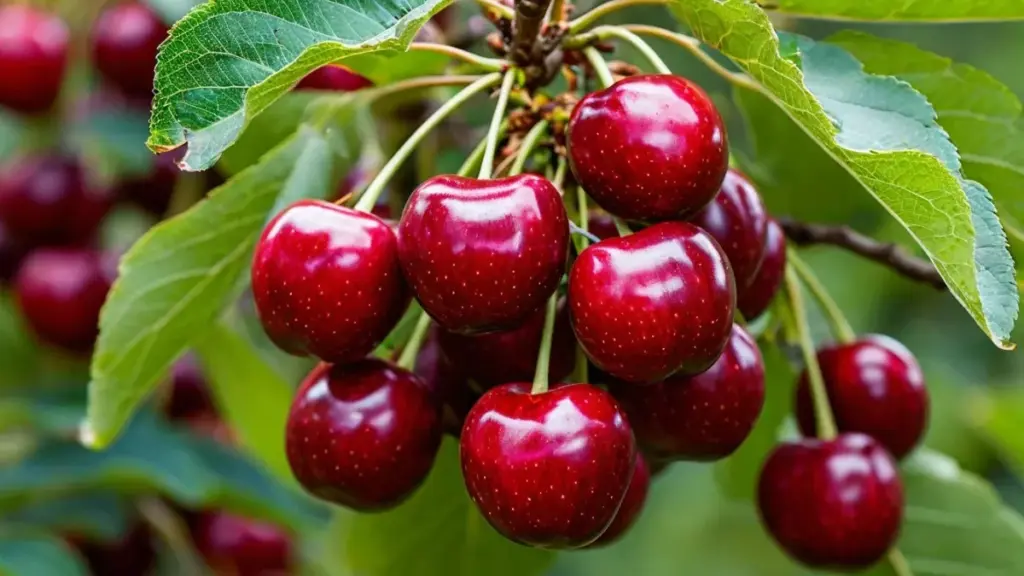
The first signs of spring are a crucial time for any gardener. It’s when you lay the foundation for a bountiful harvest, especially for stone fruits like cherries. But are you waiting too long to prepare your trees? Many gardeners miss a pivotal step that could mean the difference between a handful of sour cherries and a bounty of sweet, plump fruit. This early-season treatment, often overlooked, is key to unlocking your cherry tree’s full potential.
Guard against deadly diseases and nourish with nitrogen
The unsung hero of early spring cherry care is a 6-percent urea solution, also known as carbamide. This isn’t just any fertilizer; it’s a powerful dual-action treatment. First, it’s highly effective at eradicating the spores of moniliosis and kokkomikosis – two devastating diseases that can wipe out your entire crop or even kill your tree.
But that’s not all. Urea is a potent source of nitrogen. When absorbed through the bark, it jump-starts healthy leaf growth as soon as warmer weather arrives. This initial boost is vital for the tree’s overall development, setting the stage for a spectacular fruiting season.
The right mix: precise preparation for maximum impact
Getting the concentration just right is essential. For 10 liters of your potent cherry elixir, you’ll need precisely 600 grams of urea.
- Start by dissolving the urea granules in 1 liter of hot water. The heat ensures the granules dissolve quickly and completely, leaving no residue.
- Once the crystals have fully vanished, top up the mixture with plain, room-temperature water until you reach the full 10-liter mark.
- Before you even think about spraying, give the solution a thorough stir and strain it. This simple step prevents your sprayer from clogging, ensuring an even application.
Mastering the spray: techniques for a truly effective treatment
The way you apply the solution is just as important as the mixture itself. Think of it as giving your tree a soothing bath. Don’t just lightly mist; ensure every single branch, twig, and the main trunk is thoroughly coated. These are the places where overwintering pests and disease triggers love to hide.
Don’t forget the base of the tree and the soil beneath it! Fallen leaves and the topsoil layer are prime hiding spots for harmful fungi. By diligently applying urea in late March or early April, you can preemptively tackle many summer problems and look forward to a truly abundant harvest of dessert-quality cherries.
So, have you already treated your cherry trees this spring? Or is this a new revelation for your gardening routine?